In a nutshell
- 💥 Algorithm vs. Skin Reality: Viral hacks compress months into seconds, fuelling impulse buys; real skin needs context, patch testing, and time.
- 🛡️ UK Regulation Matters: ASA/CAP disclosure rules and MHRA oversight curb misleading claims; beware “needle-free filler” and uninsured DIY procedures.
- ⚖️ Pros vs. Cons: Slugging, retinol, and dermaplaning have benefits and trade-offs—start low and slow, buffer irritants, and prioritise SPF 50.
- 📊 Evidence Over Hype: A clear table of trends shows what works (e.g., daily SPF) vs. what’s overpromised (e.g., gua sha “fat loss”).
- 🧭 UK-Lived Advice: Tailor routines to British climate, hard water, and schedules; simplify steps, space actives, and make changes as controlled experiments.
The UK’s beauty feed scrolls at breathtaking speed, yet behind every glossy lip oil and pore-blurring hack sits a messier truth about ingredients, regulation, and skin diversity. Influencers can sell out a serum before lunch; dermatologists spend the afternoon fixing the fallout. The gap between what trends promise and what real skin tolerates has never been wider. This piece looks past the sparkle of virality to ask who benefits, who risks irritation or debt, and how British shoppers can read the fine print. From the power of the algorithm to the rules that quietly govern claims, here’s what matters now in UK beauty—beyond the likes.
The Algorithm’s Grip on British Beauty Habits
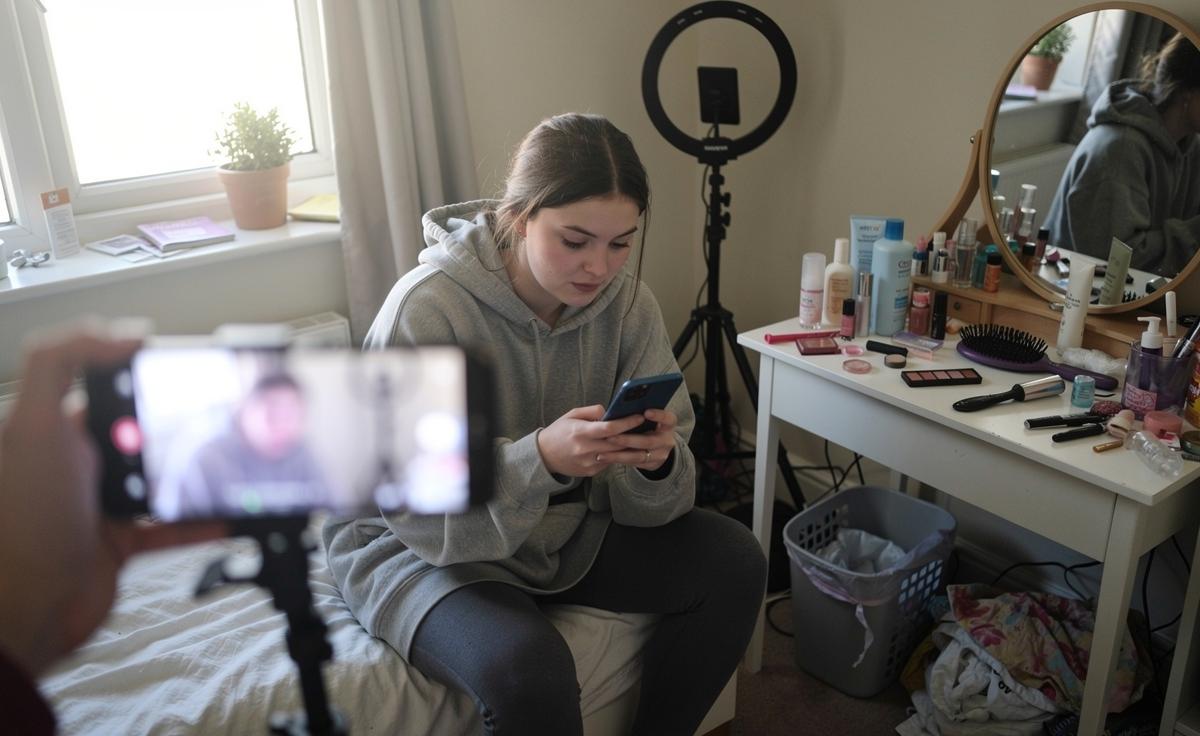
Open TikTok in London, Leeds, or Lerwick and you’ll meet the same carousel of “holy grails”. The algorithm rewards speed, surprise, and simplicity—precisely the qualities that skincare rarely offers. Fast pans across “before/after” clips compress months of patient routines into seconds, nudging viewers to impulse buy. If you felt a product become a “need” within ten seconds, your brain was being primed, not informed. UK rules do exist: the ASA and CAP Code expect #ad or “paid partnership” tags to be clear, and claims like “clinically proven” must be backed. But disclosure can be small, and nuance—skin type, frequency, interaction effects—often disappears in the edit.
Creators aren’t villains; many are careful and deeply knowledgeable. Yet the format encourages over-generalisation: a retinoid that tamed one person’s acne becomes “the” fix; a petroleum-rich occlusive that saved post-flight dryness is pitched for all seasons. Meanwhile, the UK climate complicates narrative arcs: hard water, central heating, and changeable UV indexes alter outcomes. That’s why dermatologists stress context: patch testing, building tolerance slowly, and checking for fragrance or essential oils if you’re reactive. Trends move in days; barrier repair takes weeks. The wisest British routines feel a beat slower than the feed—and that’s the point.
DIY Aesthetics and UK Regulation: Reading the Small Print
Clinic-like results at home—dermaplaning, microneedling, “skin boosters”—have surged, but the regulatory map matters. In the UK, devices and actives fall under MHRA and trading standards frameworks; prescription-strength retinoids remain prescription-only, and advertising them direct to consumers isn’t allowed. The ASA polices misleading claims; insurers require proper training for brow lamination or peels. If a treatment promises medical outcomes without medical oversight, your risk—not just your skin—may be uninsured. Even innocuous-sounding tools like 0.5 mm rollers can compromise barriers if hygiene slips; once inflamed, skin becomes more reactive to fragrance, exfoliating acids, and even SPF filters many abandon in frustration.
The smarter path isn’t abstinence; it’s calibration. A realistic UK kit mixes a gentle cleanser, broad-spectrum SPF, a well-formulated retinoid at tolerable strength, and targeted actives (niacinamide, azelaic acid) introduced one at a time. Consider professional help for anything puncturing or peeling beyond the epidermis; verify practitioners via registers such as Save Face. And remember, claims like “needle-free filler” or “melts fat” are red flags: if results sound surgical but the product ships in two days, the risk is likely outsourced to you.
| Trend | What It Claims | Expert View (UK Context) | Risk Level |
|---|---|---|---|
| Slugging | Locks in moisture overnight | Helps dry, compromised skin; can trap oil and sweat if acne-prone | Low–Medium |
| SPF 50 Daily | Ultimate anti-ageing shield | Great if you apply enough; SPF in makeup alone is insufficient | Low |
| At-Home Microneedling | Boosts collagen, fades scars | Strict hygiene vital; avoid actives immediately after; consider pro care | Medium |
| Brow Lamination | Feathery, lifted brows | Patch test adhesives; space treatments; watch for chemical burns | Medium |
| Gua Sha “Jawline” | Instant sculpting | Temporary de-puffing; no fat loss; soothing if done gently | Low |
Pros vs. Cons: Slugging, Retinol, and Dermaplaning
“Pros vs. cons” is the antidote to absolutism. Take slugging: petrolatum is inert and brilliant for winter lips and post-retinoid dryness. Pro: stronger barrier, reduced transepidermal water loss. Con: in humid flats with central heating, it may trap sweat, triggering closed comedones on oily zones. Next, retinol: pro—evidence-backed for texture and pigmentation; con—stinging, peeling, and redness if introduced too fast or layered with acids. The fix? Start at a lower percentage, use on dry skin, buffer with moisturiser, and skip exfoliants at first. Slow is a strategy, not a setback.
Then dermaplaning: pro—makeup sits smoother; peach fuzz looks softer. Con—micronicks plus fragranced toners can mean a week of fire. The smarter pivot is schedule design: avoid events immediately after first tries; patch test the post-care serum; prioritise SPF because freshly revealed skin is UV-sensitive. For shoppers battered by contradictory reels, a simple flow helps: define your goal (acne? dullness?), pick one active that serves it, and add nothing new for two weeks. If your barrier whispers “no”, retreat to basics: fragrance-free cleanser, ceramide moisturiser, sunscreen. Your skin’s feedback loops beat any trend calendar.
- Quick filter: Does it fit my skin type? Is there UK-relevant evidence? What’s my exit plan if it irritates?
From Filter to Real Life: Stories From the High Street
On a rainy Thursday in Manchester, a composite reader we’ll call Amara, 28, tried three viral layers—niacinamide, AHA, and retinol—before a date. The glow looked great under a bathroom bulb, but the bus’s dry heat turned it into tightness and flakes. After a pharmacist recommended spacing actives and adding SPF, the next week’s look held up from desk to dinner. In Bristol, Ian, a barber, swore by gua sha pre-shift: not a chiselled jaw, but ten calmer minutes helped him stop over-washing his face between clients. Not every win is visible; some are behavioural.
Practitioners see this gap daily. A London facialist told me clients arrive clutching a five-step “miracle” and leave with three steps they’ll actually do. A GP in the Midlands prefers routinised sunscreen to sporadic actives: “Consistency trumps potency,” she says—wisdom borne out by fewer flare-ups and happier wallets. The lesson isn’t anti-trend; it’s pro-translation: match claims to climate, skin, and schedule. If you want a simple upgrade today, pick one: SPF reapplication mist for commutes, fragrance-free cleanser to protect barriers, or a retinoid twice weekly till your skin adjusts. Progress that survives British weather is the only progress that counts.
UK beauty thrives on invention, but staying power belongs to routines that respect biology, budgets, and boundaries. Algorithms amplify desire; regulations set guardrails; your skin decides the verdict in its own time. Treat claims as hypotheses, not destinies. Shop slowly, patch test generously, and keep receipts both literal and figurative. And when you do chase a trend, make it a controlled experiment, not a personality transplant. The most modern flex is a barrier that stays calm through winter, weddings, and work. Which viral trend are you reconsidering this week—and what small tweak could make it truly work for your life, in your climate, on your skin?
Did you like it?4.5/5 (26)