In a nutshell
- 💧 Hard water rich in calcium and magnesium disrupts the skin’s barrier, raises pH, and increases TEWL, aggravating sensitive skin, eczema, and rosacea.
- 🧴 Daily tweaks that work: switch to syndet cleansers, keep showers short and warm, layer glycerin and 5% urea under ceramides/squalane, and use the sandwich method for stingy actives.
- 🧪 Choose smart formulas: add chelators like disodium EDTA or phytic acid, opt for gentle PHAs (gluconolactone), and avoid over-exfoliation that hard water can magnify.
- 🚿 Home fixes, Pros vs. Cons: shower filters improve feel; ion-exchange softeners reduce residue more but cost more—neither replaces SPF, gentle cleansers, or barrier care.
- 📈 Track results: adjust rinse methods (e.g., low-mineral final splash), simplify mornings, and log comfort/flare-ups for four weeks to verify what truly helps in your UK hardness zone.
Across much of England and the Midlands, showers leave limescale halos and skin that feels squeaky-dry rather than clean. That sensation is hard water: calcium- and magnesium-rich supplies that hijack cleansers and cling to the skin. For people with sensitive skin, eczema, or rosacea, the result can be redness, roughness, and flares that seem to ignore even careful routines. Drawing on conversations with UK dermatology clinicians and reader case notes from Brighton to Birmingham, this article unpacks what’s really happening at the tap—and how to fix it. The goal isn’t perfection but resilience: a calmer skin barrier that stays steady despite mineral-heavy water.
What Hard Water Does to Sensitive Skin
Hard water is rich in calcium and magnesium ions. When these meet many classic cleansers, they form insoluble “soap scum” that deposits on skin. That film can raise surface pH, disrupt lipids, and worsen transepidermal water loss (TEWL). In lab models and clinic rooms alike, clinicians report more sting and tightness where water is “very hard,” especially after long, hot showers. The paradox is that skin can feel squeaky-clean while actually being more irritated and less hydrated. For barrier-compromised conditions—eczema, seborrheic dermatitis, peri-oral dermatitis—the shift can amplify itch and make actives such as retinoids feel harsher.
There’s also a microbiome angle. Higher pH and residue may favour less friendly flora, nudging inflammation. Readers in South London and Hertfordshire often describe “winter itch” that ignores richer creams until they reduce rinse time or tweak products. Dermatology nurses I interviewed flagged the scalp as another hot spot: mineral build-up traps flakes and oil, making shampoos feel ineffective. None of this means hard water is toxic; it means the barrier is being nudged off-balance. Where you live can quietly change how your routine behaves—even if the labels don’t.
Daily Routine Adjustments That Actually Work
Start by reducing residue. Swap traditional soaps for syndet cleansers (pH ~4.5–5.5) that are less reactive with calcium and magnesium. Keep showers warm, not hot, and under eight minutes; apply an occlusive-rich moisturiser within three minutes of towelling. In clinics, pharmacists often suggest humectants like glycerin and low-dose urea (5%) to bind water without sting, then seal with ceramides, squalane, or dimethicone. If actives tingle, sandwich them: moisturiser, then active, then moisturiser again. On high-hardness days—after travel or limescale-heavy showers—prioritise barrier care over exfoliation.
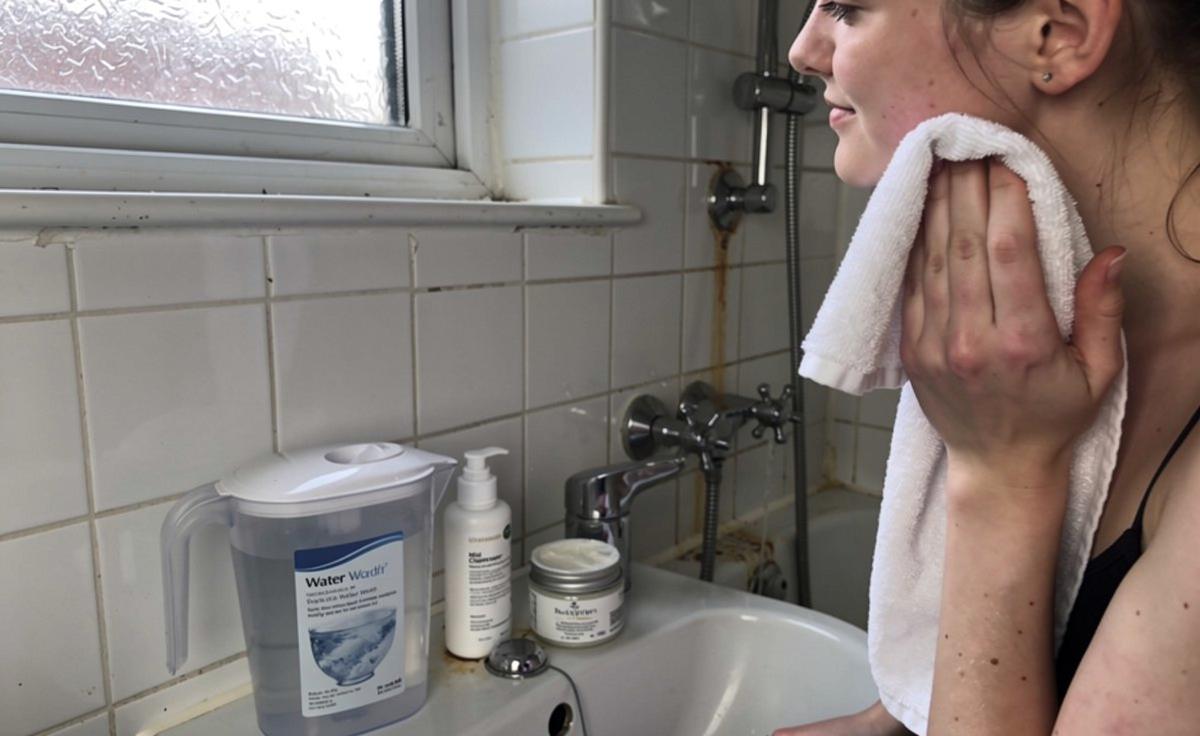
Clever rinsing helps. Some dermatology teams recommend a final splash with low-mineral water (cooled boiled water, filtered, or prebiotic thermal water) for the face. Micellar waters can remove cleanser film, but wipe gently and rinse if tolerated to avoid residue of their own. Morning routines can be simplified: try a water-only or micellar cleanse, then SPF. At night, avoid stacking acids with retinoids; alternate them instead. And in radiator-heavy UK winters, run a humidifier to offset dry indoor air—hydration cushions the impact of hard water more than most people expect.
Ingredients and Formulas That Beat Mineral Build-Up
One quiet hero is the chelator—ingredients such as disodium EDTA, tetrasodium glutamate diacetate, or phytic acid that bind calcium and magnesium so they rinse away rather than park on skin. Chelators are not exfoliants; they’re “mineral magnets” that improve rinse-off. For gentle resurfacing, look to polyhydroxy acids (PHAs) like gluconolactone; they hydrate while mildly smoothing and are kinder on reactive complexions than strong AHAs. If you’re retinoid-curious, buffer with ceramides and avoid pairing with acidic toners the same evening in hard-water zones.
Why “more acid” isn’t always better: excess exfoliation in mineral-heavy water can shred the barrier and increase sting. Instead, choose fragrance-free, alcohol-free formulas with occlusives and humectants, and prioritise SPF with photostable filters. For scalps, an occasional chelating shampoo (look for EDTA or citrates) helps reduce residue that fuels itch. Face mists with glycerin or thermal water can top up hydration without a full wash, particularly after the gym. Think of formulations as teamwork: chelators to minimise build-up, PHAs to smooth, lipids to seal.
| Ingredient | Role in Hard Water | Best For | Notes |
|---|---|---|---|
| Disodium EDTA | Chelates Ca/Mg, improves rinse | All skin types | Enhances cleanser performance |
| Phytic Acid | Gentle chelator + antioxidant | Sensitive, dull skin | Use in low % to avoid sting |
| Gluconolactone (PHA) | Hydrating exfoliant | Reactive, rosacea-prone | Less irritating than AHAs |
| Ceramides + Squalane | Barrier repair and seal | Dry, eczema-prone | Layer after humectants |
Home and Shower Fixes: Pros vs. Cons
Household solutions range from simple shower filters to full ion-exchange softeners. Filters (carbon/KDF) can reduce chlorine, odour, and some metals, improving feel but not always lowering hardness dramatically. Softeners swap calcium and magnesium for sodium or potassium, which can transform lather and reduce deposits. UK plumbers often fit a kitchen cold tap bypass to keep drinking water unsoftened. Softer water can improve comfort—but it won’t replace sunscreens, moisturisers, or good cleanser choices. A practical test: track your skin comfort and product usage for four weeks before and after installing any device.
Costs and upkeep matter. Filters are affordable but need frequent cartridge changes; softeners carry higher upfront costs and salt maintenance. Hardness varies—many areas of London, Kent, and East Anglia report “hard” to “very hard,” while parts of Scotland and the North West trend softer—so benefits differ. Add behavioural tweaks that cost nothing: shorter showers, gentler water pressure, microfibre cloths to reduce cleanser amounts, and routine patch testing when you move between regions. Soft isn’t synonymous with safe; formulation and technique still decide how skin feels by bedtime.
- Pros: Better lather; less residue; calmer post-shower feel; fewer flakes on scalp.
- Cons: Upfront cost; maintenance; variable impact on true hardness; false sense of invincibility with strong actives.
- Why “more tech” isn’t always better: Poor routines can outpace any hardware upgrade.
In interviews and reader diaries, the most consistent wins came from modest, sustained changes: syndet cleansers, chelators in rinse-offs, humectant-first hydration, and shorter showers—then, if budget allows, a filter or softener trial. Hard water is a stubborn British reality, but sensitive skin doesn’t have to suffer for it. Treat minerals as a management challenge, not a verdict. If your skin could vote on one change tomorrow—routine, ingredient, or hardware—what would you choose, and what would you want to measure to decide if it truly worked?
Did you like it?4.7/5 (23)