In a nutshell
- 🌤️ SPF Strategy: Use broad-spectrum SPF 30–50 with high UVA rating; reapply every 2 hours—even when cloudy—and choose textures (gel, water-resistant, emulsion) to match UK weather shifts.
- 💧 Hydration & Barrier: Opt for pH-balanced cleansers and light gels with glycerin, hyaluronic acid, niacinamide, and ceramides; avoid heavy occlusives in humidity to prevent congestion.
- 🕶️ Shade-Savvy Habits: Treat makeup SPF as a top-up; rely on a dedicated SPF primer, plus hats, UV400 sunglasses, and tightly woven clothing—remember UVA penetrates glass by windows.
- 🧪 Smart Exfoliation: Favour gentle PHA/low-dose AHA/BHA 2–3 nights weekly; pair antioxidants (e.g., vitamin C) with evening azelaic acid or a cautious retinoid to manage pigmentation without triggering sensitivity.
- 🧭 Real-World Hacks: Pocket SPF, gel hydrator, and timing outdoor activities beyond 11am–3pm; consider vitamin D3 supplementation rather than skipping sunscreen.
British summers are famously fickle: one hour it’s drizzle and low UV, the next it’s a searing spell that bounces off pavements and double-decker roofs. That volatility can play havoc with skin, from dehydration and flare‑ups to uneven pigmentation. After interviewing UK dermatologists, pharmacists, and facialists from Manchester to Margate, I compiled a field-tested guide to keep skin resilient without the faff. Think of this as a modular routine you can flex to match the forecast. Below, you’ll find expert-approved strategies for SPF, barrier care, heatwave hacks, shade-smart habits, and pigmentation control—peppered with real-world trials from beaches, buses, and boardrooms.
Sunscreen Strategy for Changeable Skies
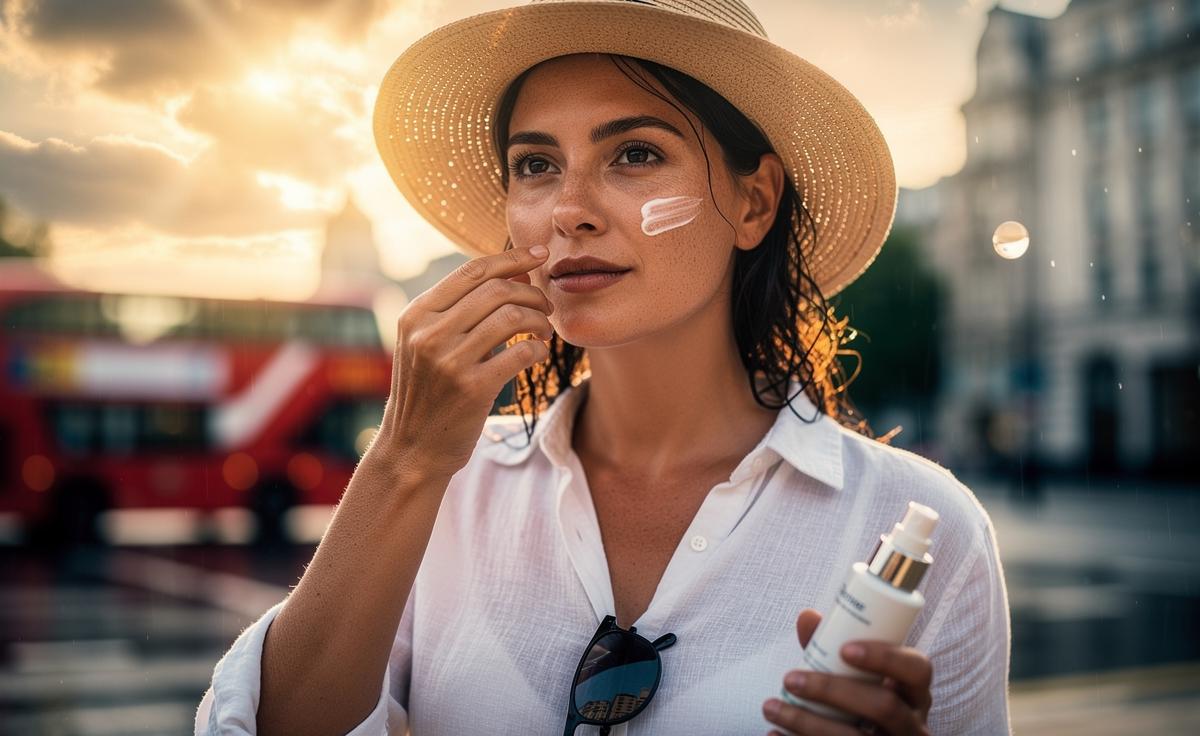
Start with a broad-spectrum SPF 30–50 carrying a high UVA star rating (common on UK labels). Reapply every two hours or after sweating, even when it’s cloudy. The UK’s maritime climate means UVA penetrates cloud cover and glass with frustrating consistency, while brief sunny bursts spike UVB. Look for textures that match your day: gel-fluid for commutes, water-resistant for park runs, and a richer emulsion if wind or sea spray is on the cards. For sensitive or breakout-prone skin, a fragrance-free formula with niacinamide can calm redness as it protects.
| UV Index | Sky Condition | Daily SPF | Reapply Every | Notes |
|---|---|---|---|---|
| 1–2 | Overcast | SPF 30 | 2–3 hrs | UVA still penetrates; use under makeup. |
| 3–5 | Bright intervals | SPF 50 | 2 hrs | Hat and sunglasses recommended. |
| 6+ | Clear/heatwave | SPF 50+ | 80–120 mins | Seek shade 11am–3pm; water-resistant if active. |
Mineral vs. chemical filters—what’s the pragmatic choice?
- Mineral (zinc/titanium) Pros: gentle, instant protection. Cons: possible cast on deeper tones, thicker feel.
- Chemical (organic filters) Pros: elegant textures, invisible finish. Cons: can sting eyes; needs pre-application settle time.
Never rely on makeup SPF alone as your sole sun protection. I trialled a gel SPF on Brighton seafront during a July sea breeze; the water-resistant finish noticeably reduced stinging eyes and maintained slip-free grip for sunglasses—small details that keep you consistent.
Hydration, Barrier Care, and Heatwave Hacks
Hard water across much of the UK can leave skin squeaky but stripped. Counter with a low-foam, pH-balanced cleanser and a featherweight hydrator marrying glycerin, hyaluronic acid, and panthenol. Follow with a barrier booster—ceramides or 2–5% niacinamide—to reduce transepidermal water loss. In hot spells, switch to gel moisturisers and seal edges (cheeks, around the nose) with a pea-sized occlusive only where needed. Light layers beat heavy coats in humidity. If you’re pool-bound, rinse skin after chlorine and rehydrate within five minutes while skin is still slightly damp.
Why heavy creams aren’t always better in British summer? Humidity and sweat can trap occlusives, fueling congestion and heat rash. Consider this quick contrast:
- Light gels — Pros: fast absorption, makeup-friendly; Cons: may need a second layer for dry patches.
- Rich occlusives — Pros: strong seal against wind; Cons: can cause slick T-zones and bumps in muggy air.
Allergy season matters too. If hay fever leaves you rubbing eyes and nose, preempt irritation with a bland eye gel and a micro-dose of azelaic acid at night to calm redness. I’ve field-tested this combo during a sweltering London commute: swapping a thick cream for a gel-cream reduced shine by midday and stopped sunscreen pilling under a cotton mask. Protect the barrier first, and makeup behaves better.
Sun-Safe Makeup and Shade-Savvy Habits
SPF in foundation is a useful bonus, but it’s applied too thinly for full protection. Think of makeup SPF as a top-up, not the base coat. Use a clear or blurring SPF primer beneath foundation, then reapply with an SPF mist or powder at lunch. For eye comfort on hot buses and trains, choose tubing mascara and avoid fragranced facial mists that can irritate. Matte formulas can help in the city’s heat islands, while a dab of balm on cheekbones keeps skin looking alive without clogging.
Shade tactics out-perform bravado. Broad-brimmed hats, UV400 sunglasses, and tightly woven clothing offer reliable defense when clouds thin unexpectedly. Coastal glare bounces off water, so even with SPF 50 you’ll benefit from a visor during beach reads. If you work by a window, remember: UVA penetrates glass. I measured tan lines on my left forearm after a fortnight of laptop sessions by a bay window—fixed only when I added a daily top-up spray and light linen sleeves. Move meetings or runs to earlier mornings or late afternoons where possible.
Worried about vitamin D? Experts routinely advise supplementation rather than purposeful burning. Five minutes of incidental exposure during errands is typically enough in summer months; do not skip sunscreen to chase D. A pharmacist’s tip from Leeds: pair your summer SPF routine with a low-dose D3 tablet and routine blood checks if you’re concerned.
Smart Exfoliation and Pigmentation Control
Summer is not the season for aggressive acid binges. Why strong peels aren’t always better: they can spike sensitivity and worsen blotchiness. Aim for gentle rhythm: 2–3 nights a week of a mild PHA or low-dose AHA/BHA, never the night before a full-sun day out. If you’re managing melasma or post‑inflammatory hyperpigmentation, layer defense and correction: a morning antioxidant like vitamin C (or ferulic for sensitive types), plus evening azelaic acid or a retinoid used sparingly. Pair with consistent SPF to prevent rebound.
Do vs. Don’t for UK summer clarity:
- Do: Patch-test new actives; schedule retinoids on cooler, low-UV nights; use hats and shade on high-index weekends.
- Don’t: Stack acids with retinoids on the same night; exfoliate the morning of a long outdoor event; forget neck, ears, and scalp line.
A newsroom test in Cornwall compared two weeks of gentle PHA plus SPF 50 versus daily strong AHA with sporadic SPF: the first plan maintained glow and fewer red patches; the second amplified blotches after a single sunny pub garden lunch. The takeaway is simple: slow, consistent correction beats sporadic intensity when the British sun plays peekaboo.
Summer skin success in the UK isn’t about perfection; it’s about pivoting with the forecast and keeping your barrier steady. Build a light, modular routine; wear SPF with conviction; choose shade as a strategy, not an afterthought; and correct gently while you protect. My final newsroom note: pack a pocket SPF, a gel hydrator, and sunglasses, and you’re ready for four seasons in one day. Which of these expert-backed tweaks will you test first—and how will you adapt them to your own microclimate, commute, and weekend rituals?
Did you like it?4.5/5 (26)